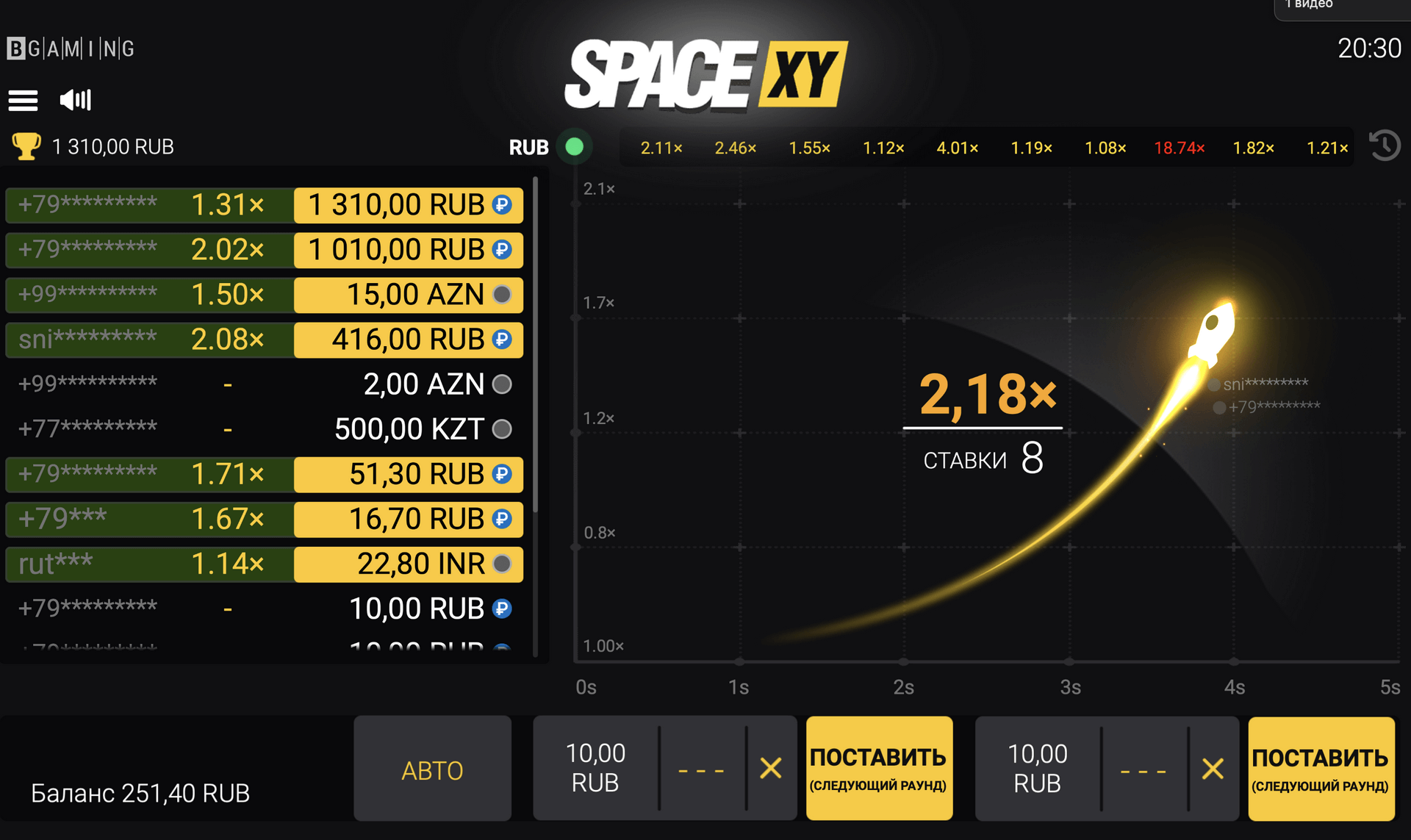
This guide looks at real tools and strategies that can alter how you play Space XY. We will detail specific risk assessment methods, bankroll calculators, and ways to review your play. The goal is to provide you a straightforward path for handling your time, comprehending a game’s volatility, and making decisions based on more than just gut feeling. We won’t be talking about specific legal regions.
Comprehending Risk in Interactive Gaming
Risk is the fundamental element in any game mixing luck and skill. For Space XY players, risk means the chance of losing your bet and how much you could lose. Because these games often let your choices to influence the result, managing risk isn’t about evading it. It’s about measuring it and dealing with it in a way that matches what you want from your session and what you’re at ease with.
Every move you perform in the game has a built-in trade-off between risk and potential reward. Getting a feel for this balance is where sustainable play begins. It assists you think about the long-term process instead of focusing on a single win or loss. With this foundation, you can connect with the game’s mechanics in a more deliberate way.
The Purpose of Bankroll Management Calculators
Nothing matters more for a player than handling their bankroll. A bankroll calculator is a straightforward tool with a clear job: it shows you how much you ought to wager. Its main purpose is to prevent you from depleting your funds too rapidly. You enter your total available bankroll and the percentage you’re ready to wager on one round, and it gives you a clear betting limit.
Consider the “1-5% rule” as an example. In this case, you only bet a small slice of your total funds per round. A calculator handles this calculation for you, taking emotion out of the equation. It’s advisable to use one when you begin a session to set a solid boundary. This habit shields your money from quick drain during a run of bad luck, guaranteeing you can return and play another time.
- Total Bankroll: The exact amount of money you’ve chosen to wager over a set timeframe.
- Session Bankroll: A more limited piece of your total bankroll, earmarked for just one playing session.
- Stake Percentage: The share of your session bankroll you wager on a single game round.
- Loss Limit: A fixed dollar amount where you decide to stop playing for that session.
Determining Session Duration and Loss Limits
Session calculators aid you in planning your time and control your exposure. They consider how long an average round takes, your bet size, and your bankroll to predict how long your session might last. Their real power is in enforcing a stop-loss limit. A stop-loss is a line in the sand, a specific amount of loss where you pledge to walking away, no matter how you feel or whether you want to win your money back.
Many players find that a stop-loss set at 20% to 30% of their session bankroll works well. A calculator converts this from an idea into a number. You provide your session bankroll, and it displays the exact dollar amount that represents your limit. This tool is crucial for maintaining composure and halting a minor loss from blowing up into a problem.
Analyzing Game Volatility and RTP
Two metrics you need to understand are volatility and Return to Player (RTP). Volatility indicates how often and how big the wins are. High volatility games dispense less often, but the wins can be larger, causing wild changes in your bankroll. Low volatility games award smaller amounts more consistently. Understanding a game’s volatility helps you select one that fits your appetite for risk and the amount of your bankroll.
RTP is a theoretical percentage https://aviatorcasino.app/space-xy/. It represents the portion of all money wagered that a game returns to players over a very prolonged period. It doesn’t predict your next ten minutes of play. Nevertheless, a greater RTP generally means the game’s built-in edge is lower. Consider both numbers together. A high-volatility game with a high RTP needs a bigger bankroll to survive quiet periods. A low-volatility game provides a more stable, more reliable experience.
Applying the Kelly Criterion for Bet Sizing
The Kelly Criterion is a mathematical formula. Its purpose is to calculate the best bet size to expand your bankroll over the long run. In simple terms, it recommends how much to bet based on what you believe your edge is. For games where you can estimate the odds, it delivers a structured, emotion-free way to determine your bets, aiming to protect your money while seeking growth.
Be warned, using the Kelly Criterion isn’t straightforward. It demands a clear-eyed view of your own edge. We note it here as an advanced idea for players centered on strategy. A Kelly calculator requires your bankroll, your assumed chance of winning, and the payout odds. It then spits out a percentage of your bankroll to bet. Most cautious players use a “Fractional Kelly” approach, betting only half or a quarter of the recommended amount to dial down the risk.
Utilizing Probability Simulators for Tactical Analysis
Probability simulators are great for education. They allow you to run thousands of virtual game rounds. You can evaluate different betting strategies and stake sizes without touching real money. Reviewing the results lets you identify potential ups and downs and long-term patterns. This is especially useful for comprehending how different betting habits influence your funds.
Try using a simulator to stress-test your chosen money management plan. You could, for example, simulate what happens to a $100 bankroll over 1,000 rounds if you bet the same amount every time versus if you boost your bets after losses. The graphs and numbers you get present a clear, data-heavy picture of risk. It’s a secure way to tweak your method before you play for real.
Feeling Logging and Reflection Notebooks
The most advanced calculator won’t assist if you struggle to manage your urges. That’s why we recommend a simple, non-digital tool: a reflection log. Prior to playing, note your planned strategy, your stake, your loss limit, and how you’re emotionally. Later, record what actually happened and if you deviated from your strategy.
This practice develops self-knowledge. It helps you spot what leads to bad moves, like betting more after a setback or gambling when you’re exhausted. Across numerous sessions, your log turns into a custom risk assessment tool. It uncovers tendencies in your actions that pure numbers can’t reveal. It links the theory of safe gambling to the reality of your own actions.
Merging Tools for a Holistic Risk Framework
Good risk management isn’t about using one tool. It involves building your own system. Commence with a bankroll calculator to set your bet size. Utilize a session calculator to lock in your time and loss limits. Check a game’s volatility to see if your bankroll is a good match. Periodically, fire up a simulator to try out a new idea.
And keep up with your decision journal to check your own discipline. This combined approach turns vague ideas into a solid, repeatable routine. The power of this system is in its structure. It eliminates the guesswork and emotion out of big choices. It allows you to focus on the game’s strategy and your own enjoyment, not on panicked money decisions.
Keeping Discipline with Programmed Limits
The final step is implementing these calculations into practice using real, enforceable limits. Many gaming platforms offer tools for setting deposit limits, loss limits, and session time limits. Our sincere advice is to use them. They automate the boundaries you calculated when you were thinking clearly. They function as a safety net, binding you to the rational decisions you made before you started playing.
Discipline is a muscle that becomes tired. Automated tools don’t get tired or emotional. Establishing a deposit limit that corresponds to your monthly bankroll and a session loss limit lets you to hand off your risk management. This is the final, essential piece of a responsible strategy. It guarantees the careful planning you did isn’t wrecked by a momentary lapse.
We’ve walked through a set of practical tools. These vary from bankroll calculators and volatility checks to emotional journals and automated limits. Together, they let you to approach Space XY with a organized, analytical headspace. Weaving these methods into your routine builds a personal framework for handling risk. It shifts the emphasis from pure luck to calculated participation. This kind of disciplined approach is crucial for enjoying the game over the long term and making choices you can feel good about.